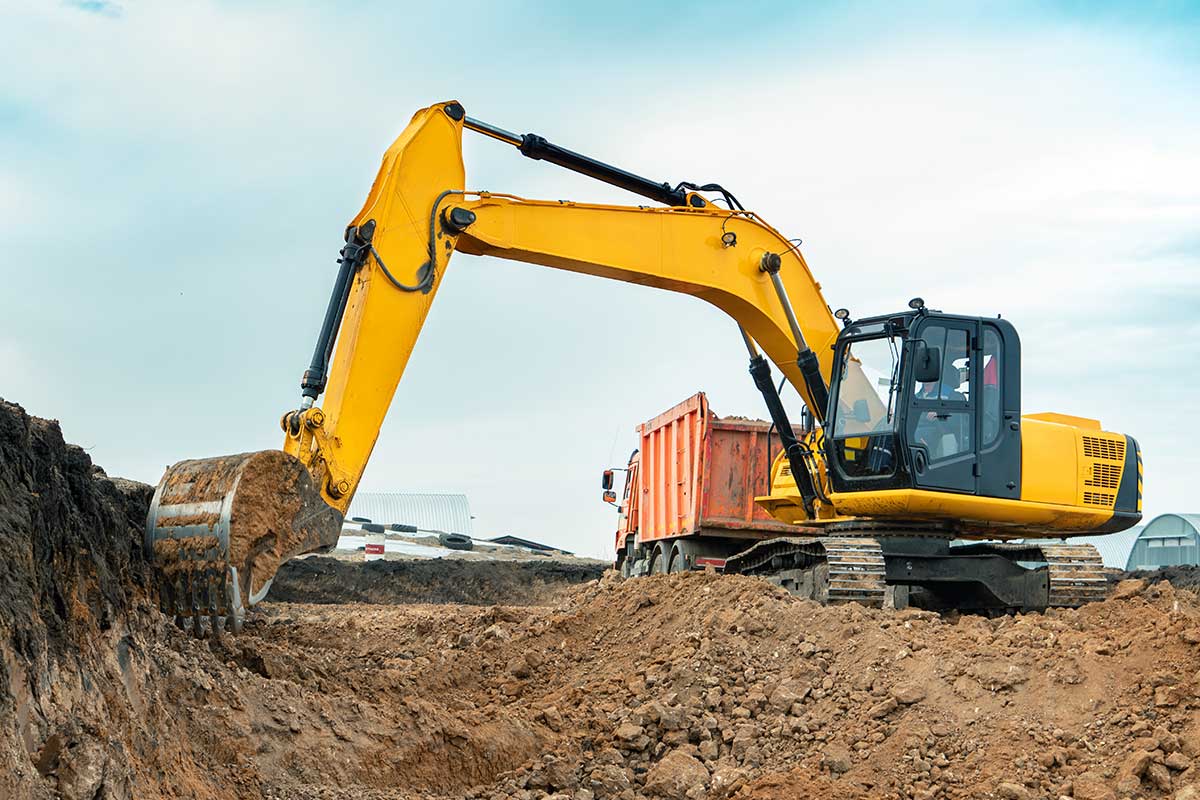
Excavator Safety Tips for Operators
Excavator operators must prioritize safety while working on job sites to avoid accidents and injuries. Here are some essential safety tips for excavator operators:
1. Pre-Operation Inspections
- Check the Equipment: Inspect the excavator before starting the job. Ensure all components (hydraulic systems, tracks, attachments, controls, etc.) are in proper working order.
- Fluid Levels: Check fuel, oil, and hydraulic fluid levels.
- Inspect the Bucket: Ensure the bucket is properly secured, and the teeth and cutting edges are in good condition.
- Track and Undercarriage: Examine the tracks for wear and proper tension.
2. Operator Training
- Certification: Ensure you are properly trained and certified to operate an excavator.
- Familiarize with Controls: Know the machine’s specific controls and operations before beginning any work.
3. Proper Personal Protective Equipment (PPE)
- Wear a Hard Hat: Protect your head from falling debris.
- High-Visibility Clothing: Wear reflective vests to increase visibility on the site.
- Safety Boots: Wear sturdy, steel-toed boots to protect your feet.
- Hearing Protection: Excavators can be loud, so ear protection is a must.
- Gloves: Use gloves to protect your hands while handling controls and attachments.
4. Know the Job Site
- Hazard Awareness: Be aware of any hazards, such as underground utilities, power lines, or soft ground.
- Establish a Safe Work Zone: Make sure the area is clear of personnel and mark boundaries around the excavation.
- Signage and Flaggers: Ensure proper signage or flaggers are in place if working near roadways or pedestrian areas.
5. Proper Excavator Operation
- Always Use Seat Belts: Secure yourself in the operator’s seat with a seatbelt for safety.
- Operate Within the Limits: Never exceed the machine’s rated capacity or use it for tasks it’s not designed to handle.
- Check Surroundings: Before moving the excavator, check for obstacles or nearby personnel.
- Keep Boom and Bucket Low: When traveling, keep them low to avoid tipping or hitting objects.
- Use Smooth Movements: Avoid jerky or rapid movements that could cause instability.
6. Avoid Overloading
- Know Weight Limits: Be aware of the maximum load the excavator can handle.
- Check Load Balance: Make sure the load is evenly distributed in the bucket to maintain stability.
7. Stabilizing the Excavator
- Use Outriggers or Stabilizers: If equipped, use them to improve stability.
- Level the Excavator: When digging, ensure the machine is level and on firm ground to avoid tipping.
8. Safe Work Practices
- Avoid Swinging the Boom Near Personnel: Never swing the boom or bucket over people or equipment.
- Maintain Clear Communication: Use radios, hand signals, or other communication methods with ground personnel.
- Know the Excavation Limits: Never dig too close to structures, underground utilities, or unstable slopes.
9. Emergency Procedures
- Know the Location of Emergency Shutoffs: Familiarize yourself with emergency shutdown protocols.
- Have an Evacuation Plan: Be prepared for emergencies and know how to exit the machine safely.
- Stay Calm in Case of an Incident: Remain calm and follow proper emergency procedures.
10. Post-Operation Maintenance
- Clean the Excavator: Remove dirt and debris after use.
- Perform Routine Checks: Inspect for wear and schedule necessary maintenance or repairs.
- Shut Down Properly: Turn off the engine, engage the parking brake, and park in a secure location.
By following these safety tips, excavator operators can reduce the risk of accidents, improve efficiency, and ensure a safer work environment for everyone on the job site.