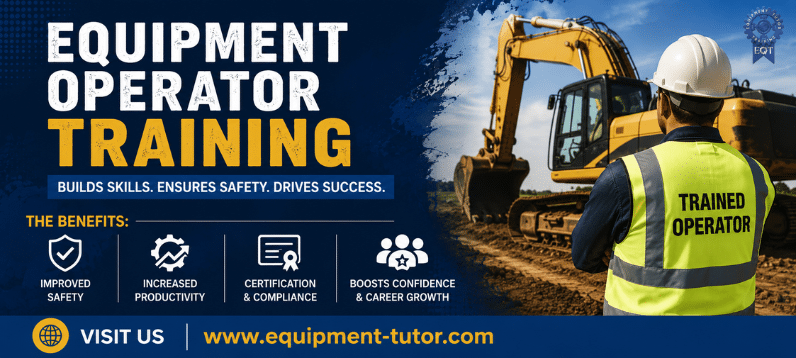
Equipment Operator Training Benefits: Advantages of Proper Heavy Equipment Training
Starting a career in construction is very exciting. The job pays well. The demand for skilled operators continues to grow every single year. Before you climb into the cab of a machine, you must understand the fundamentals. Understanding the equipment operator training benefits is your first step toward a successful career. Proper instruction builds the right habits. It keeps operators and crews safe on every site. This blog explores the core benefits that every new operator should know before operating heavy machinery.
The Core Equipment Operator Training Benefits for Your Career
Many beginners only think about the controls. They want to start digging right away. Good instruction offers much more than basic operation. It provides a strong foundation for everything you will do on the job site.
Here are the primary equipment operator training benefits you can expect on the job:
- Safety awareness: You learn to spot hazards before serious accidents happen.
- Machine longevity: Proper handling prevents costly breakdowns and project delays.
- OSHA compliance: Certification proves you meet strict federal safety requirements.
- Career advancement: Employers prefer hiring trained professionals over untrained workers.
- Total confidence: You will know exactly how to handle unexpected situations safely.
Prioritizing workplace heavy equipment safety training
Safety is the absolute most important factor on any job site. A solid workplace heavy equipment safety training program prepares you for the real world. It turns dangerous guesswork into calculated precision. Job sites are busy places with trucks, workers, and materials moving constantly.
Training programs focus on several vital areas:
- Pre-shift inspections: Catching mechanical issues early saves lives and money.
- Site awareness: Monitoring ground conditions prevents dangerous tip-overs.
- Communication: Using clear hand signals helps you coordinate with ground crews.
- Hazard recognition: Identifying overhead power lines keeps everyone completely safe.
Your Essential Excavator Operator Safety Training Guide
Excavators are powerful and complex machines. Following a strict excavator operator safety training guide is vital for preventing major accidents. These machines can weigh tens of thousands of pounds. One wrong move can cause a massive disaster.
Every operator must follow these fundamental rules:
- Check the swing radius: Always know what is behind and beside you.
- Verify utilities: Never dig without checking for underground power or water lines.
- Stabilize the tracks: Ensure the ground is completely firm before lifting heavy loads.
- Travel safely: Keep the bucket low to the ground when driving across the site.
The Role of Machine Upkeep
Taking care of the machine is just as important as running it. Including Equipment Maintenance Training in your education teaches you how to keep the machine running perfectly. You cannot rely solely on the mechanics. Operators must know the basic signs of mechanical wear and tear.
You will learn these highly valuable maintenance skills:
- Checking hydraulic fluid levels daily before starting the large engine.
- Inspecting tracks and undercarriages for severe wear or loose parts.
- Grease pivot points to prevent friction damage on the heavy boom.
- Cleaning the cab to maintain clear visibility through all the windows.
Exploring More Equipment Operator Training Benefits
The advantages of learning properly go far beyond basic site safety. One of the biggest equipment operator training benefits is increased job security. Trained operators make far fewer mistakes. They work faster because they do not second-guess their daily actions.
Consider these amazing professional advantages:
- Better pay: Certified operators often command much higher hourly wages.
- Machine versatility: Learning one machine makes learning the next one much easier.
- Crew respect: Ground crews trust operators who know exactly what they are doing.
- Less stress: Knowing the strict rules removes the fear of making dangerous errors.
Why Employers Value the Equipment Operator Training Benefits
Companies want operators who truly understand the safety rules. They do not want to risk legal liability or severe equipment damage. This is why the equipment operator training benefits extend to the hiring company as well. A damaged machine costs a construction company thousands of dollars a day in lost revenue.
Employers see the massive value in trained operators through the following:
- Fewer accidents: Trained workers make fewer costly mistakes on the site.
- Lower insurance rates: Safe construction sites cost far less to insure properly.
- Higher productivity: Confident operators work more efficiently every single shift.
- OSHA compliance: Having certified staff prevents massive federal safety fines.
What a Structured Program Looks Like
A quality certification program is not just a quick one-day orientation. It is a highly structured process. It builds your knowledge and skill in logical layers. You need a program that covers all the important bases.
Here is what a well-designed program covers:
- Machine familiarization: Learning the controls, hydraulic systems, and emergency shutoffs.
- Pre-operation inspections: Using a strict, systematic checklist approach every day.
- Safe operating techniques: Understanding machine load limits and safe slope positioning.
- Hazard identification: Spotting hidden utilities, bad soil conditions, and trench risks.
- Theory assessment: Testing your basic knowledge of load charts and safety protocols.
- Practical evaluation: Demonstrating real digging and loading tasks safely with a supervisor.
Who Needs Foundational Instruction
If you are totally new to the industry, you absolutely need this instruction. The need for foundational safety knowledge extends well beyond first-timers. Many different types of workers benefit from learning the basics.
This instruction is the perfect starting point for the following people:
- New operators entering the construction or earthmoving field for the very first time.
- Experienced general laborers transitioning into heavy machinery operation roles.
- Site supervisors who need to understand machine limits to manage their crews safely.
- Workers returning to the operator seat after a significant break from the industry.
- Business owners want to ensure their team meets all current safety standards.
The Bottom Line
The benefits of equipment operator training are immense. Choosing to invest in your education is the smartest career move you can make. The earthmoving industry desperately needs people who care about safety. It needs professionals who treat the expensive machines with respect. Skipping the basics will only hold you back in your career. Taking the time to learn the ropes properly sets you up for a long and successful career.
Programs like Equipment Tutor provide the exact foundation you need to thrive. Get trained, get certified, and start your new career safely.
Frequently Asked Questions :
Q. Is foundational instruction legally required before I can operate machinery on a site?
Yes. OSHA requires employers to verify that all operators are fully trained and competent before allowing them to use earthmoving equipment.
Q. How long does the certification process typically take for a complete beginner?
Most programs range from two days to two weeks. Online modules let you learn at your own pace before taking a practical evaluation test.
Q. Will I learn how to properly inspect the machinery before starting my shift?
Yes. Proper instruction teaches you how to perform daily pre-shift inspections to catch dangerous mechanical faults early.
Q. Why is understanding the swing radius so critical for new excavator operators?
The swing radius is the total area the machine covers when rotating. Knowing it prevents fatal collisions with ground workers and structures.
Q. Do completion certificates expire after a certain number of years on the job?
Certificates generally do not have an official expiration date. Industry standards highly recommend taking refresher courses every three years.